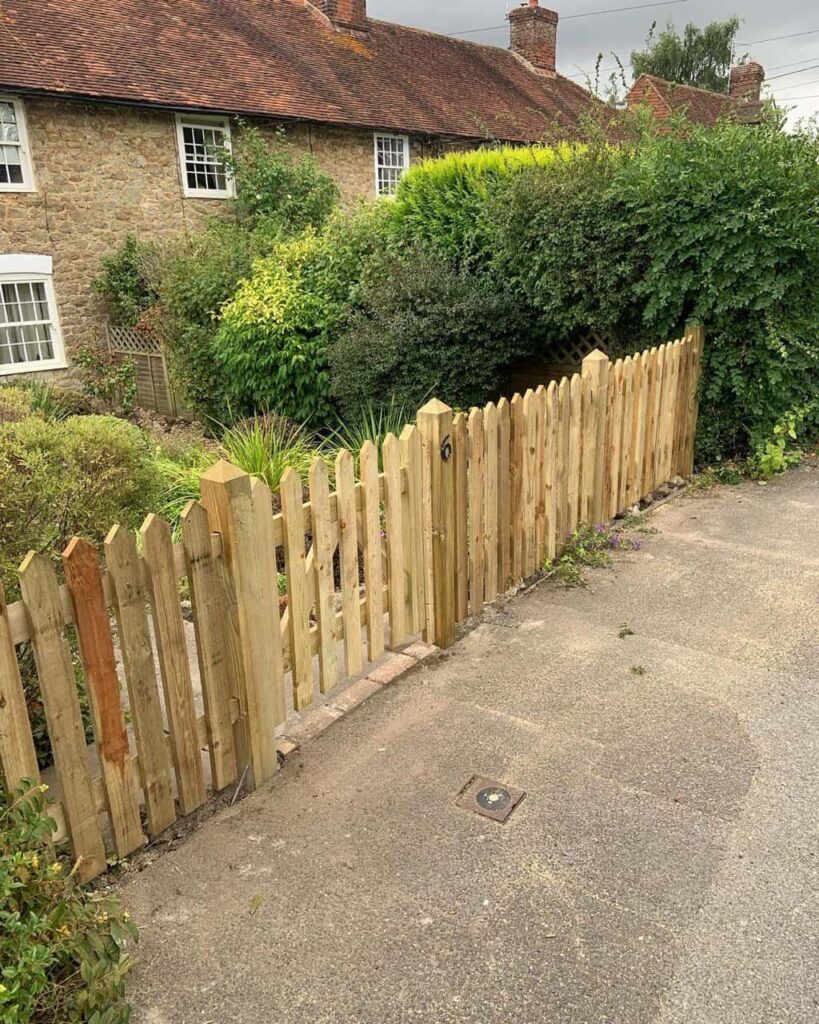
Why Are Wood Fence Panels Still a Popular Choice for Garden Boundaries?
Wood fence panels remain one of the most widely chosen options for defining residential garden boundaries. Their natural appearance, range of designs and ability to provide useful privacy make them suitable for many different outdoor spaces.
A successful fence, however, depends on more than the appearance of its panels. Correct post spacing, suitable ground preparation, secure fixings and thoughtful installation all influence how well the boundary performs over time. For homeowners in Sheppey, Kent, understanding these factors can help when planning a new fence or replacing an ageing one.
What Makes Wood Fence Panels a Practical Boundary Solution?
Wooden panels combine visual warmth with practical separation. They can define where a garden begins and ends, provide screening and help create a more organised outdoor space without making the boundary feel overly harsh.
They Provide Effective Garden Privacy
Privacy is one of the main reasons homeowners choose solid wood fence panels. Close-boarded designs reduce overlooking and create a clear visual barrier between neighbouring spaces.
The appropriate level of screening depends on how the garden is used. A seating area may benefit from more privacy, while a front or decorative section may suit a lighter, more open design. Professional planning helps match the panel style and positioning to the purpose of the boundary.
Wood Has a Natural Appearance
Timber generally works well alongside lawns, planting, trees and traditional garden features. Rather than appearing separate from the landscape, it can soften the edge of the property and complement its surroundings.
Different panel designs can create very different effects. Straight-topped panels provide a simple, neat finish, while decorative or trellis-topped options can add visual interest and support a less enclosed appearance.
The colour of timber also changes naturally as it weathers, although suitable care can help maintain the preferred finish.
There Is a Design for Different Garden Requirements
Wood fence panels are available in various constructions, including overlap, close-boarded, decorative and trellis designs. This range allows the boundary to be planned around practical needs rather than using the same approach in every location.
Panel choice may be influenced by:
- The amount of privacy required
- Exposure to wind
- The style of the garden
- Existing posts or boundary features
- Changes in ground level
- The need to support climbing plants
- The desired balance between screening and light
The strongest-looking panel is not automatically the best option. The complete fence should be considered as a system, including the posts, gravel boards and fixings.
Individual Panels Can Be Replaced
A useful feature of panel fencing is that individual sections can often be removed and replaced if they become damaged. This can be more straightforward than rebuilding an entire continuous fence when the remaining structure is sound.
Before replacing a panel, the posts should be checked carefully. A damaged section may have failed because a post has moved, rotted or become unstable. Installing a new panel between weak supports will not provide a dependable repair.
Correct Installation Improves Stability
Fence panels experience considerable pressure during windy weather. The posts transfer these forces into the ground, which means their depth, spacing and alignment are essential to the stability of the finished boundary.
Panels must also be fixed securely without being forced into gaps that are too narrow or left unsupported in openings that are too wide. If the ground slopes, changes in level should be planned so that the fence follows the garden neatly without creating large gaps underneath.
A professional installer will assess the site before deciding how the panels and posts should be positioned.
Gravel Boards Help Protect the Timber
Repeated contact with damp soil can cause the lower edge of a wooden panel to deteriorate more quickly. Gravel boards create separation between the panel and the ground, helping to reduce direct exposure to moisture and garden debris.
They also form a defined lower edge and can help retain small differences in ground level. However, they must be installed correctly and supported by stable posts to perform effectively.
Wood Panels Can Support a More Usable Garden
A clear, secure boundary can make a garden feel more private and better organised. It can separate seating areas from surrounding properties, provide a backdrop for planting and help define spaces used by children or pets.
The fence layout should consider access points, gates, paths and established plants. Careful planning prevents the new boundary from obstructing useful areas or creating awkward sections that are difficult to maintain.
Maintenance Helps Preserve Their Condition
Wooden fencing is exposed continuously to rain, sunlight, wind and changing temperatures. Routine inspection helps identify loose fixings, damaged boards and early movement before these issues affect a larger section.
Vegetation should be prevented from placing excessive pressure on the panels, while soil and debris should not be allowed to build up around the base. Suitable timber treatment may also help protect the surface, depending on the type and condition of the panels.
When Should Existing Panels Be Replaced?
Some damage can be repaired, but replacement may be more appropriate when a panel has widespread decay, extensive broken boards or significant distortion.
Warning signs include:
- Panels leaning or moving excessively
- Timber becoming soft near the base
- Several boards splitting or separating
- Fixings repeatedly working loose
- Frames becoming twisted or unstable
- Gaps forming because posts have moved
- Panels no longer sitting securely between supports
An assessment should determine whether the problem lies with the panel, the posts or both. This avoids replacing visible components while leaving the underlying cause unresolved.
Why Professional Planning Matters
A good fence should suit the garden, ground conditions and level of exposure. Panel selection is only one part of the process; post type, foundation depth, drainage around the base and the condition of neighbouring sections also matter.
Professional planning creates a boundary that looks consistent and performs as intended. It also helps ensure that gates, corners and changes in direction are properly integrated into the finished installation.
Conclusion
Wood fence panels remain popular because they provide privacy, practical separation and a natural appearance that complements many gardens. Their variety of styles also makes it possible to create a boundary suited to the layout and character of the property.
The quality of the supporting posts and installation is just as important as the panels themselves. If you are considering new or replacement garden fencing in Sheppey, Kent, Fast Fix Fencing Sheppey can assess your boundary and recommend an appropriate solution. Contact the team to arrange a professional site assessment.
Call us on: 01795 718 997
Click here to find out more about Fast Fix Fencing Sheppey
Click here to complete our contact form and see how we can help with your fencing needs.